Top 5 Innovative Home Cooling Solutions to Beat the Heat
As summer temperatures soar, finding effective ways to keep your home cool is essential. Here are the Top 5 Innovative Home Cooling Solutions that can help you beat the heat without sacrificing comfort or energy efficiency:
- Smart Thermostats: These devices learn your habits and adjust your home’s temperature accordingly, ensuring that you use energy only when you need it.
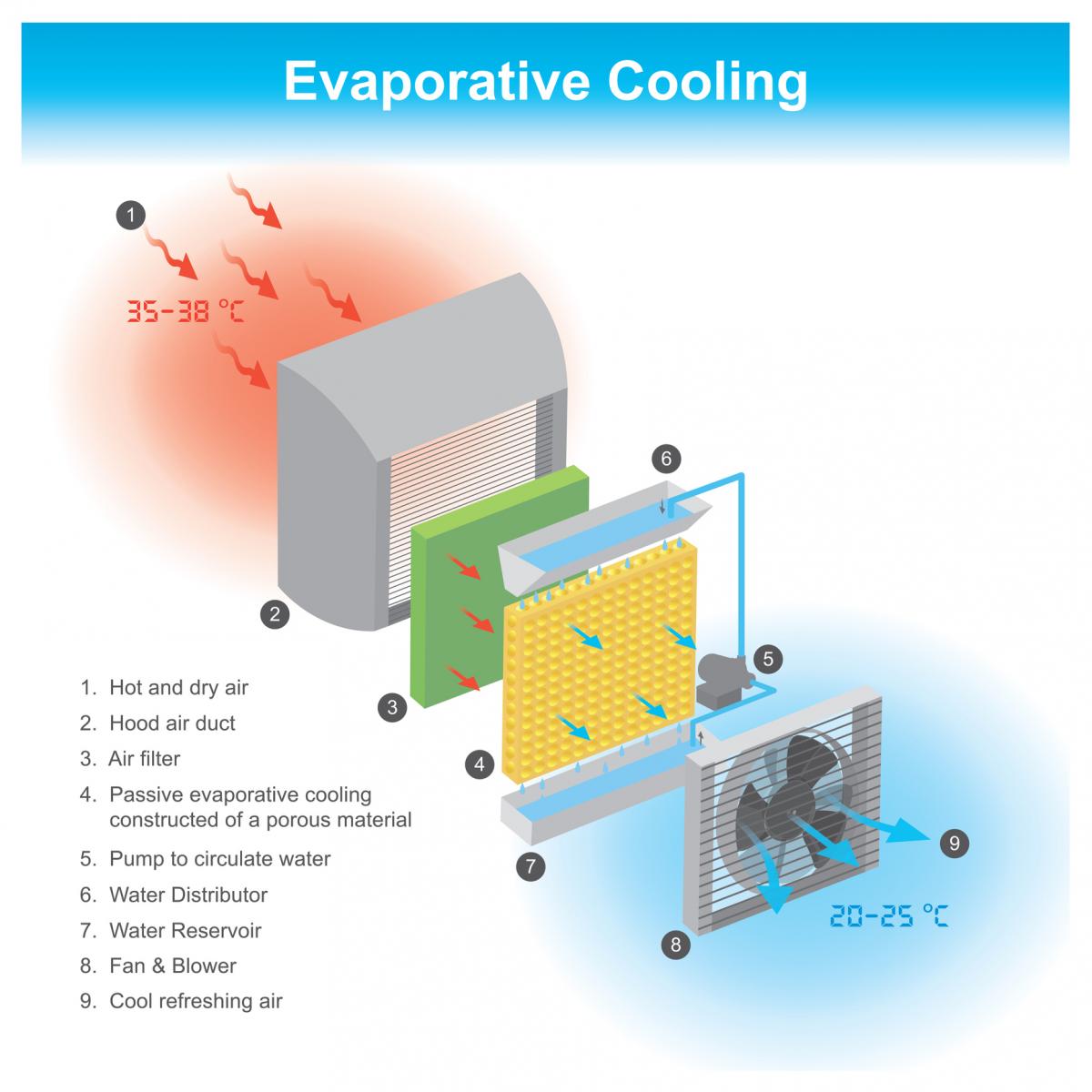
- Evaporative Coolers: Also known as swamp coolers, these work by using water evaporation to cool the air, making them a highly energy-efficient alternative to traditional air conditioning.
- Insulated Window Films: Installing these films on your windows can reflect the sun’s rays, keeping your home cooler while also reducing glare.
- Ceiling Fans: Modern ceiling fans are designed to circulate air efficiently and can be a cost-effective way to create a comfortable living space.
- Green Roofs: If you’re up for a larger project, installing a green roof can significantly lower your home’s temperature while providing added insulation and a beautiful aesthetic.
Counter-Strike is a highly popular first-person shooter game franchise that has captivated millions of players worldwide since its inception. It emphasizes teamwork, strategy, and skill, with players often engaging in tactical gameplay to secure victory. For those who spend long hours gaming, it’s essential to keep your laptop running smoothly. Check out these Top 10 Laptop Accessories to Prevent Overheating to ensure optimal performance during your intense gaming sessions.
How to Choose the Right Cooling System for Your Home: A Complete Guide
Choosing the right cooling system for your home can significantly impact your comfort and energy bills. Start by assessing your home's size and layout; larger homes may require more robust systems, while smaller spaces might benefit from a compact unit. Air conditioners, evaporative coolers, and heat pumps are among the most common options. To help you decide, consider the following factors:
- Energy Efficiency: Look for models with a high SEER rating.
- Installation Costs: Factor in both the initial costs and any potential installation charges.
- Maintenance Requirements: Some systems may require more frequent upkeep.
Once you've outlined your requirements, it's time to evaluate specific brands and models. Read customer reviews and seek recommendations from friends or professionals. Additionally, consider the climate in your area; for instance, homes in hotter regions may benefit from a central air conditioning system, while those in temperate zones might only need a simple window unit. Finally, don’t forget to consult with a qualified HVAC technician to analyze your home’s unique needs and ensure proper installation. Making an informed decision now can lead to long-term savings and improved comfort.
Are Portable Air Conditioners Worth It? Pros and Cons Explained
When considering whether portable air conditioners are worth the investment, it's essential to weigh the pros and cons. On the positive side, portable air conditioners offer flexibility and convenience; they can be easily moved from room to room, making them ideal for renters or those with limited space. Additionally, many models do not require permanent installation, which means you can quickly set them up and start enjoying a cooler environment without the hassle of traditional air conditioning systems. Their ability to cool specific areas can also lead to energy savings, as you only need to cool the rooms you use most often.
However, there are some drawbacks to consider. One major downside is the efficiency of portable air conditioners, as they often struggle to cool larger spaces compared to central AC units. Additionally, they can be noisier, which may be a concern for light sleepers. Another aspect to keep in mind is the need for regular maintenance, such as emptying the water reservoir or cleaning filters, to ensure optimal performance. Ultimately, the decision comes down to your specific cooling needs and the layout of your living space.