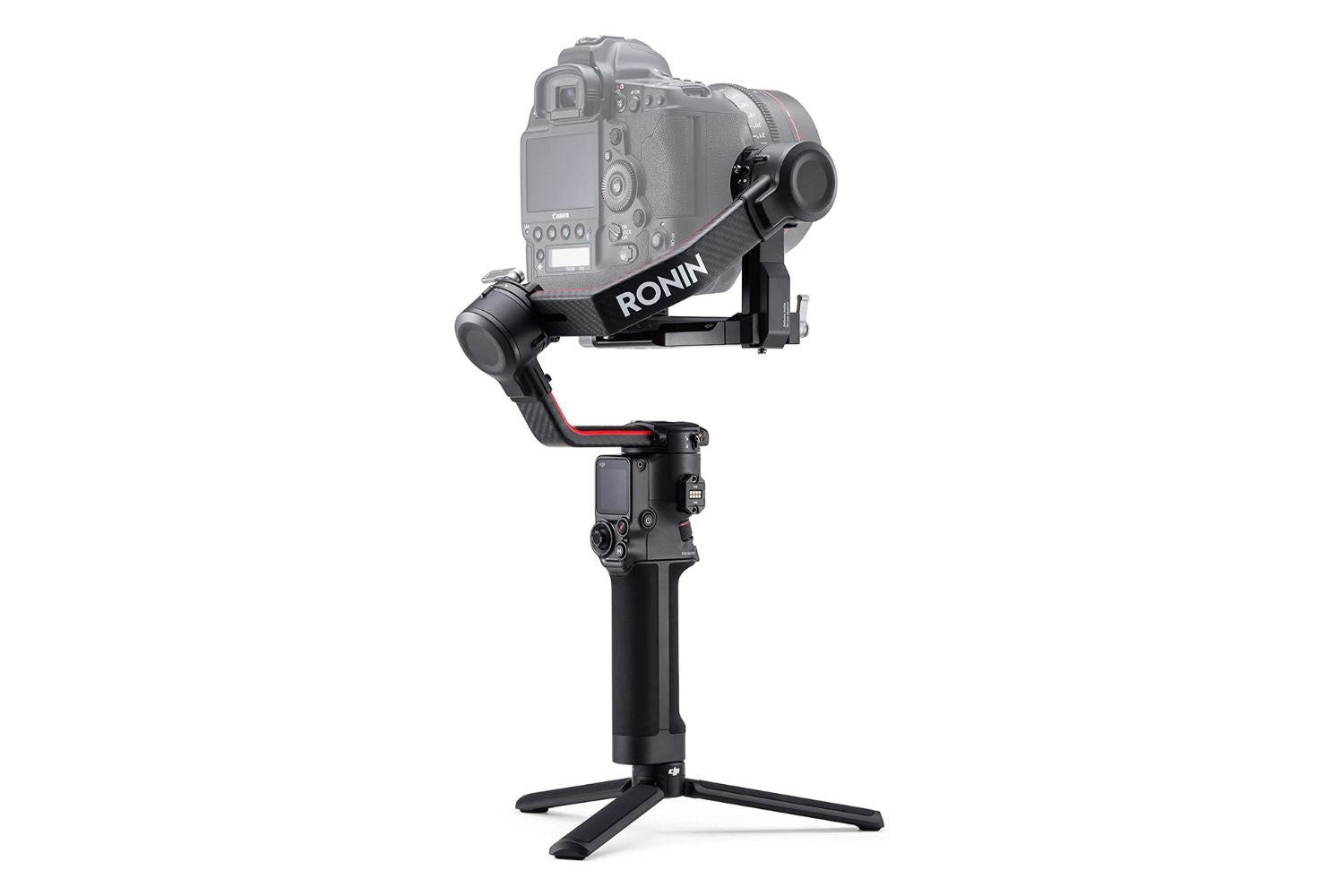
The Essential Guide to Choosing the Right Gimbal for Your Filmmaking Needs
Choosing the right gimbal for your filmmaking needs can make a significant difference in the quality of your footage. With numerous options available, it's essential to consider factors such as your camera's weight, type of shooting you'll be doing, and your budget. Start by determining the gimbal specifications that best match your camera, ensuring it can handle the load without compromising stability or performance. Additionally, assess the design, as features like a quick-release plate or adjustable handle can enhance usability, especially during long shoots.
Next, explore the various gimbal types suited for different filming styles. For instance, a three-axis gimbal is ideal for dynamic shots and smooth movement, while a handheld gimbal might be better for vloggers or on-the-go filmmakers. Research user reviews and watch comparison videos to gauge performance, and consider testing a few models in-store if possible. Ultimately, the right gimbal will boost your creative potential, ensuring your final product is as polished and professional as it deserves to be.
Counter-Strike is a highly popular first-person shooter game that has dominated the eSports scene for years. Players engage in team-based combat, utilizing strategy and skill to complete objectives such as planting or defusing bombs. For those looking to capture their gaming experience on the go, check out the Top 10 iPhone gimbals to enhance your mobile streaming quality.
5 Tips to Master Gimbal Control for Cinematic Shots
Mastering gimbal control is essential for achieving smooth and cinematic shots in your videography. Gimbals help stabilize your camera, but understanding how to use them effectively can take your footage to the next level. Here are five essential tips that will aid you in mastering gimbal control. Firstly, always practice your movements before shooting. Whether it's a pan or a tilt, getting comfortable with how your gimbal responds will help you make smoother transitions.
Secondly, consider the weight distribution of your camera setup. A well-balanced gimbal allows for better control and reduces strain on the motors. Thirdly, utilize the various modes that your gimbal offers. Most gimbals have modes such as follow mode, lock mode, and pan mode that provide different levels of control and flexibility during your shots. Experimenting with these modes will enhance your ability to create dynamic movements that flow seamlessly in your final edit. Lastly, always keep your gimbal firmware updated to tap into the latest features and improvements for optimal performance.
How to Troubleshoot Common Gimbal Issues for Smooth Footage
When using a gimbal for your camera, encountering issues that affect your footage quality is not uncommon. One of the most prevalent problems is excessive shaking, which can be attributed to improper balancing of the gimbal. To resolve this, first ensure that your camera is securely mounted and that the weight is evenly distributed. You can achieve perfect balance by adjusting the position of the camera within the gimbal's mounting plate. If the problem persists, consider checking the gimbal's firmware and performing a calibration.
Another common issue is unresponsive controls, which can hinder your ability to capture smooth footage. Begin troubleshooting by checking the battery levels, ensuring that the gimbal is fully charged. If the controls remain unresponsive, try resetting the gimbal according to the manufacturer's instructions. Additionally, review any settings to ensure that the gimbal is set to the appropriate mode for your filming requirements. By addressing these key areas, you can significantly improve gimbal performance and achieve that fluid cinematic movement you desire.