Do Screen Protectors Really Save Your Device from Cracks?
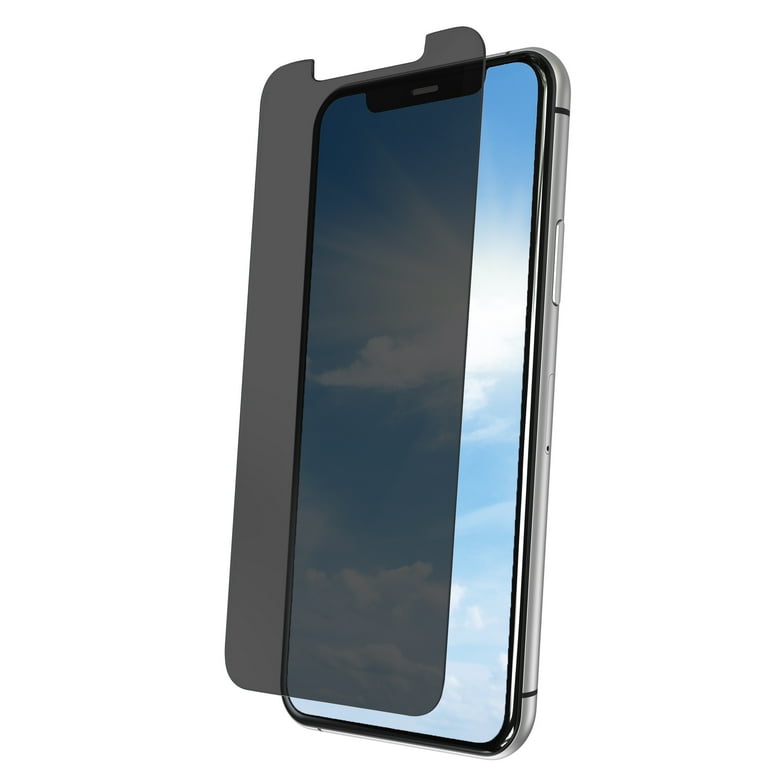
In today's technology-driven world, the question of whether screen protectors really save your device from cracks is more relevant than ever. Smartphones and tablets are investments that can be quite expensive, and protecting them is crucial. A screen protector acts as a defensive layer against scratches, drops, and impacts. When your device takes a tumble, a quality screen protector can absorb some of the shock, potentially preventing cracks and other damage to the device's display. Research has shown that devices with a screen protector are less likely to incur severe damage compared to those without.
However, it's important to note that not all screen protectors are created equal. There are various types of screen protectors available on the market, including plastic film, tempered glass, and liquid glass options. Among these, tempered glass screen protectors tend to offer the best protection, providing higher impact resistance and durability. While a screen protector can significantly reduce the risk of cracks, it cannot guarantee complete protection. Always complement the use of screen protectors with careful handling practices to enhance the longevity of your device.
Counter-Strike is a popular tactical first-person shooter that emphasizes teamwork and strategy. Players can choose between two opposing teams, Terrorists and Counter-Terrorists, with the goal of completing objectives such as planting or defusing bombs. For those who want to keep their devices in top shape while playing, check out the Top 10 iPhone screen protectors to protect your smartphone from damage.
Top 5 Myths About Screen Protectors Debunked
Many smartphone users believe screen protectors are unnecessary expenses, assuming that modern devices are built to withstand everyday wear and tear. This myth leads many to forgo the added protection that can prevent unsightly scratches and cracks. In reality, while manufacturers may use tougher glass, no device is entirely impervious to damage, especially from accidental drops and sharp objects. A quality screen protector serves as an additional barrier, significantly reducing the risk of damage and extending the life of your device.
Another prevalent myth is that all screen protectors are the same, which could not be further from the truth. Users often encounter low-quality options that may not fit well or provide adequate protection. Different types, such as tempered glass and plastic film, serve varying purposes. For instance, tempered glass protectors offer superior impact resistance, while plastic films are lightweight and easier to apply. Understanding these differences is crucial for selecting the right screen protector that caters to your specific needs and usage habits.
How to Choose the Right Screen Protector for Your Device
Choosing the right screen protector for your device is crucial to ensuring its longevity and maintaining optimal performance. With a plethora of options available, it's essential to consider factors such as material, durability, and compatibility with your device. For instance, tempered glass protectors offer excellent resistance against scratches and impacts, while plastic film protectors are usually thinner and more flexible. Evaluate your lifestyle and usage patterns to determine whether you require a more robust solution or a lightweight alternative.
Once you've identified the type of screen protector that best fits your needs, pay attention to the installation process. Many screen protectors come with an installation kit, making it easier for you to apply without bubbles or dust. Furthermore, ensure that the protector provides adequate touch sensitivity and clarity for optimal viewing experience. Remember to also check user reviews and ratings, as they can provide insight into the performance and satisfaction of other customers with the specific screen protector you are considering.