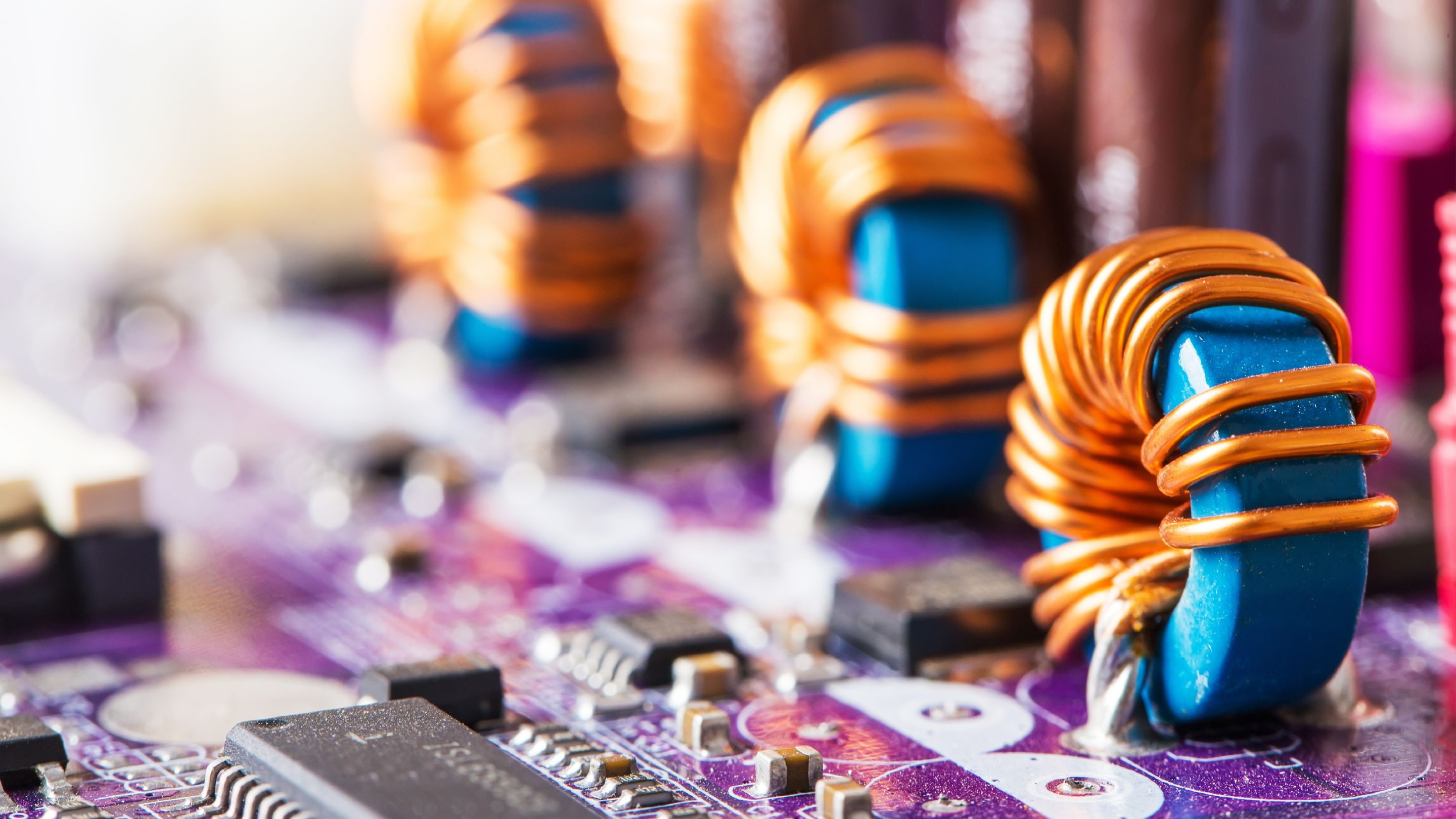
How Electronics Foster Empathy in a Digital Age
In today's fast-paced world, electronics play a pivotal role in fostering empathy among individuals across vast distances. Through social media platforms, video conferencing, and instant messaging, people can share their experiences and emotions with others, creating a sense of connection that transcends geographical barriers. For instance, online communities often rally around shared causes, offering support and understanding to those in need. This digital interaction not only humanizes distant issues but also encourages individuals to cultivate empathy towards different perspectives and cultures.
Moreover, the rise of immersive technologies such as virtual reality (VR) has further enhanced our ability to experience life from another person's viewpoint. By allowing users to step into someone else's shoes, VR experiences can evoke profound feelings of empathy and understanding. For example, immersive storytelling applications can simulate the challenges faced by marginalized communities, prompting users to reflect on their own beliefs and biases. Such electronic tools are essential in nurturing a more empathetic society, especially in an age where digital communication often lacks the emotional depth of face-to-face interaction.
Counter-Strike is a popular first-person shooter game that pits two teams against each other, with one side playing as terrorists and the other as counter-terrorists. Players engage in various objective-based game modes, enhancing teamwork and strategy. If you're looking for some great gadgets to enhance your gameplay experience, check out the Top 10 iphone accessories under 100 that can take your setup to the next level.
The Surprising Connection Between Technology and Human Interaction
In today's fast-paced world, the connection between technology and human interaction may seem purely transactional, yet it runs much deeper than mere convenience. With the advent of social media platforms, instant messaging apps, and video conferencing tools, we can connect with friends and family across the globe in an instant. However, this digital interaction also prompts a paradox: while we have more avenues to communicate than ever before, the quality of those interactions has come under scrutiny. Studies indicate that face-to-face interactions can strengthen emotional ties and improve well-being, suggesting that technology should not replace personal connections but rather enhance them.
Moreover, the rise of technology has led to innovative ways to foster human connection, even among those who may be geographically separated. For instance, virtual reality (VR) experiences simulate physical presence, allowing people to share spaces and experiences remotely. Additionally, online communities centered around various interests provide support networks that transcend geographical barriers. As we navigate this digital landscape, it becomes increasingly important to find a balance between embracing technology and nurturing our fundamental human interactions to ensure that we do not lose sight of the personal connections that enrich our lives.
Are Our Devices Making Us More Compassionate?
In an era dominated by technology, the question arises: are our devices making us more compassionate? With the rise of social media platforms and communication apps, there is unprecedented access to information about the struggles and triumphs of others around the world. For instance, viral stories of individuals overcoming adversity or engaging in charitable acts can evoke strong emotional responses, prompting users to contribute to causes or support others in their communities. This phenomenon demonstrates how digital interactions can cultivate empathy and encourage people to take action.
Moreover, various apps and online communities focus specifically on fostering compassionate connections. Platforms that promote mental health awareness, for example, provide safe spaces for individuals to share their experiences. Such environments not only raise awareness but also help to normalize discussions around emotional and psychological struggles. Consequently, engaging with these technologies can lead to greater understanding and support among users, further suggesting that our devices might indeed be shaping a more empathetic society.