Exploring the Benefits of Wireless Technology: Why Waving Goodbye to Wires is Essential
The advent of wireless technology has revolutionized the way we communicate, work, and connect with the world around us. One of the most significant benefits is the increased convenience it offers. With wireless devices, users can access the internet, make calls, and transfer data without being tethered to a physical connection. This level of freedom not only enhances productivity but also facilitates seamless interactions in both personal and professional settings. For example, consider how mobile devices allow us to work remotely—enabling collaboration across distances that would have been previously hindered by the limitations of wires.
Another vital advantage of embracing wireless technology is the potential for innovation in various industries. By eliminating the clutter of physical cables, businesses can create adaptable workspaces that promote flexibility and efficiency. This shift can lead to significant cost savings in installation and maintenance, as well as the ability to scale operations more rapidly. As industries continue to evolve, adopting wireless solutions will become essential—keeping organizations at the forefront of technology and allowing them to remain competitive in a fast-paced market.
Counter-Strike is a popular team-based first-person shooter (FPS) game that has captivated players since its release. It involves two teams, terrorists and counter-terrorists, competing to complete objectives or eliminate the opposing team. For those looking to enhance their gaming experience, check out the Top 10 Wireless Chargers for Pixel Devices to stay powered up during intense gaming sessions.
How Wireless Technology is Transforming Our Daily Lives: A Look Ahead
Wireless technology is rapidly becoming an integral part of our everyday lives, impacting how we communicate, work, and interact with our environment. From smartphones that keep us connected to the world, to smart home devices that enhance our daily routines, the influence of wireless technology is undeniable. As we look ahead, we can anticipate a future where advancements in wireless networks such as 5G and beyond will further enhance connectivity and interoperability between devices, making our daily lives more efficient and enjoyable.
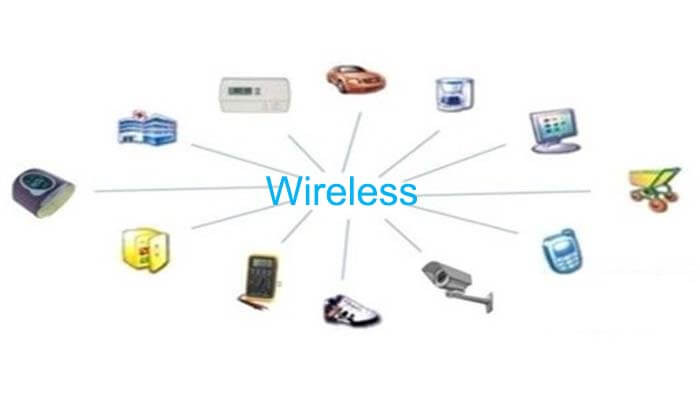
Moreover, the rise of the Internet of Things (IoT) is set to revolutionize various aspects of our home and work environments. By connecting everything from kitchen appliances to office equipment, wireless technology enables unprecedented levels of automation and convenience. For instance, imagine a world where your smart refrigerator can automatically reorder groceries based on your consumption, or your wearable devices can monitor your health metrics and communicate them directly to your healthcare provider. As we embrace this digital transformation, staying informed about the latest advances in wireless technology will be essential for navigating our increasingly connected future.
What Are the Key Trends Shaping the Future of Wireless Technology?
The future of wireless technology is being shaped by several key trends that promise to revolutionize connectivity and communication. One of the most significant advancements is the rollout of 5G networks, which offer unparalleled speed and lower latency compared to previous generations. This transition to 5G not only enhances mobile broadband experiences but also paves the way for innovative applications across various sectors, including autonomous vehicles, telemedicine, and smart cities. The deployment of 5G infrastructure is expected to accelerate the adoption of the Internet of Things (IoT), allowing countless devices to connect and communicate seamlessly.
In addition to the transition to 5G, the integration of artificial intelligence (AI) in wireless technology is gaining momentum. AI is being leveraged to optimize network management, enhance security, and improve user experiences. Moreover, the emergence of Wi-Fi 6 is also crucial, as it provides faster speeds and better performance in congested areas. As more people rely on wireless technology for daily activities, the emphasis on sustainability and energy efficiency is becoming paramount, leading to innovations in low-power wireless protocols that extend the lifespan of devices while reducing environmental impact.