Understanding the 'No-Signup' Promise: What Anonymous Access Really Means & Common Pitfalls to Avoid
The allure of anonymous access, often touted as a 'no-signup' promise, hinges on the idea of immediate usability without the friction of personal data submission. In practice, this typically means users can engage with a service or content without creating a formal account, providing an email, or setting a password. This can manifest in various forms, from simply browsing a website without logging in to utilizing tools that offer guest modes. The core benefit is a streamlined, barrier-free experience, appealing to those who prioritize privacy or are hesitant to commit to a new platform. However, it's crucial to understand that 'anonymous' often refers to the absence of a *personally identifiable* account, not necessarily a complete lack of data collection. Many services will still track usage patterns, IP addresses, and device information for analytics or to maintain service functionality.
While the 'no-signup' promise offers undeniable convenience, it's important to be aware of common pitfalls that can impact both user experience and data privacy. For users, one significant drawback is often the lack of persistence; unsaved work or preferences might be lost upon closing a browser or session. Furthermore, advanced features, personalization, or collaborative functionalities are frequently locked behind a signup wall, limiting the full potential of a service. For service providers, managing anonymous access presents challenges in terms of authenticating users, preventing abuse, and providing targeted support. Key pitfalls include:
- Limited Functionality: Core features often require an account.
- Lack of Persistence: Data and preferences aren't saved.
- Security Risks: Anonymity can be exploited by malicious actors.
- Difficulty in Personalization: Tailored experiences are hindered without user profiles.
Understanding these limitations is key to setting realistic expectations for anonymous access.
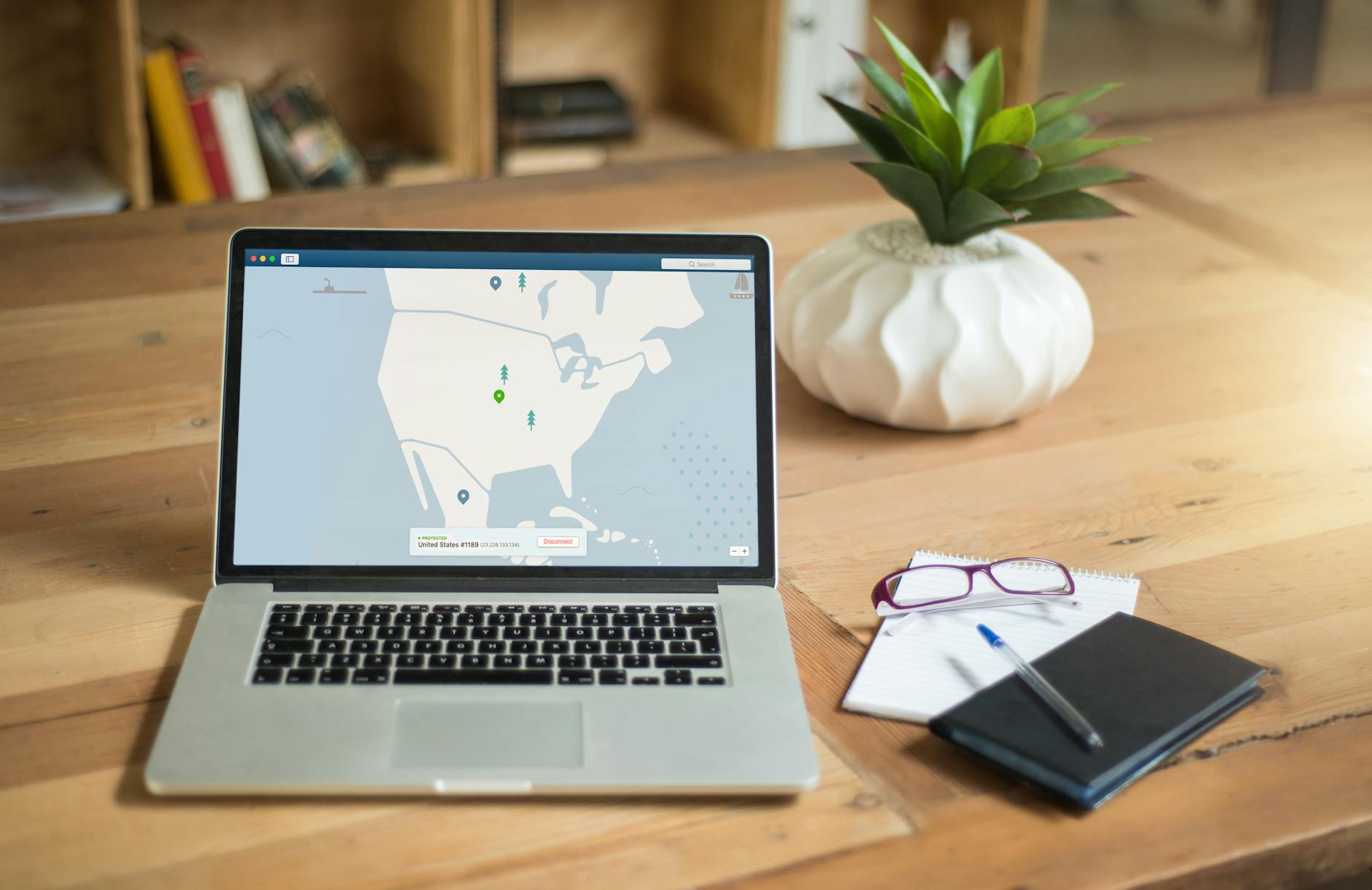
A free VPN extension offers a convenient way to enhance your online privacy and bypass geo-restrictions directly from your browser. These extensions encrypt your internet traffic and mask your IP address, allowing you to access content that might otherwise be unavailable in your region. While they provide a quick solution for basic browsing, it's worth noting that free options often come with limitations on speed, data, and server locations compared to their paid counterparts.
Beyond Anonymity: Practical Tips for Maximizing Your Privacy with Free No-Signup VPNs & Answering Your Top Questions
While the allure of a free, no-signup VPN is undeniable for immediate privacy, it's crucial to understand that this convenience often comes with inherent limitations. To truly maximize your online anonymity, consider a multi-layered approach. For instance, pairing your free VPN with a privacy-focused browser like Brave or Tor can significantly enhance your digital footprint obfuscation. Furthermore, be mindful of the data you transmit even while connected; avoid logging into personal accounts or sharing sensitive information on websites that don't use HTTPS. Remember, a free VPN is a tool, not a magic bullet. Think of it as a first line of defense, best complemented by conscious browsing habits and an understanding of its capabilities and constraints.
Navigating the world of free, no-signup VPNs can raise several pertinent questions. One common query is,
"Are these VPNs truly anonymous if they don't require registration?"While they don't store your personal identifying information, many still log connection data, albeit anonymized. Another frequent concern is about speed and reliability. Free services often have fewer servers and more users, leading to slower speeds and intermittent connections. Finally, users often ask about the safety of using such services for sensitive activities like online banking. Our strong recommendation is to avoid using free, no-signup VPNs for any activity requiring high levels of security or privacy. For such tasks, investing in a reputable paid VPN with a zero-logging policy is always the safer and more reliable option.