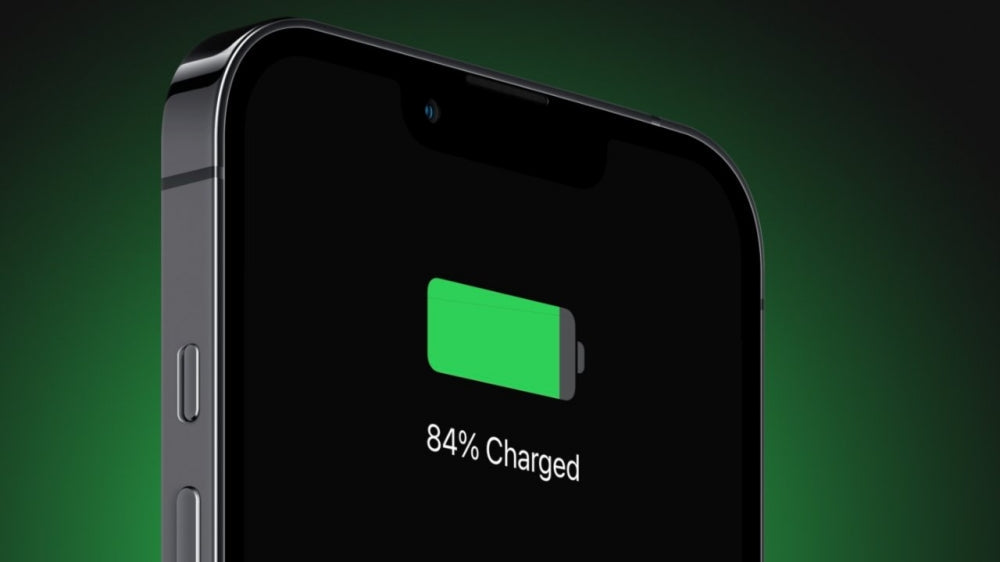
What Is Wireless Charging and How Does It Work?
Wireless charging is a modern and convenient technology that allows devices to be charged without the need for physical connectors. This technology operates on the principle of electromagnetic induction, which involves transferring energy from a charging pad to the device's battery. When a compatible device is placed on the charging pad, an alternating current flows through the coil in the charger, generating a changing magnetic field. This magnetic field induces an electric current in the receiver coil within the device, effectively charging the battery without any direct contact.
The process of wireless charging can be broken down into several key steps:
- The charging pad sends alternating current through its coil.
- This produces a magnetic field around the pad.
- The device's receiver coil picks up the magnetic field and converts it back into electric current.
- The electric current is used to charge the device's battery.
Counter-Strike is a highly popular tactical first-person shooter game series that emphasizes teamwork, strategy, and reflexes. Players can choose between two teams, terrorists and counter-terrorists, each with specific objectives. For gamers interested in enhancing their setup, check out the Top 10 magsafe accessories to improve their gaming experience.
The Pros and Cons of Wireless Charging: Is It Right for You?
Wireless charging has become a popular technology, offering the convenience of powering up your devices without the hassle of tangled cords. One major advantage is the ease of use; simply placing your smartphone or other compatible device onto a charging pad is all it takes to start charging. This eliminates the wear and tear on charging ports and cables, potentially extending the lifespan of your gadgets. Additionally, many wireless chargers come with built-in safety features that prevent overheating and overcharging, making them a safer choice for daily use.
However, there are some drawbacks to consider. One of the primary concerns is charging speed; wired charging often delivers power more rapidly than its wireless counterpart, meaning you might spend more time waiting for your device to recharge. Furthermore, the initial investment for a wireless charging setup can be higher, as you will likely need to purchase a compatible charging pad and potentially replace or adapt your existing devices. Ultimately, deciding whether wireless charging is right for you involves weighing these pros and cons against your personal tech habits and lifestyle.
Debunking Common Myths About Wireless Charging
Wireless charging has become increasingly popular, yet many people still hold onto common misconceptions that can deter them from embracing this technology. One prevalent myth is that wireless charging is significantly slower than traditional wired charging. In reality, advancements in wireless charging technology have led to charging speeds that can rival or even exceed those of conventional chargers. For instance, many modern devices now support fast wireless charging, enabling users to power up their smartphones and other gadgets just as efficiently as they would with a cable.
Another widespread belief is that wireless charging can generate harmful electromagnetic radiation. While it is true that wireless charging utilizes electromagnetic fields to transfer energy, studies have shown that the levels of radiation produced are well within safe limits established by regulatory agencies. In fact, the amount of exposure is significantly lower than what is found in common household devices, such as microwaves and Wi-Fi routers. Debunking these myths not only helps users make informed decisions but also encourages the adoption of a more convenient and innovative charging solution.