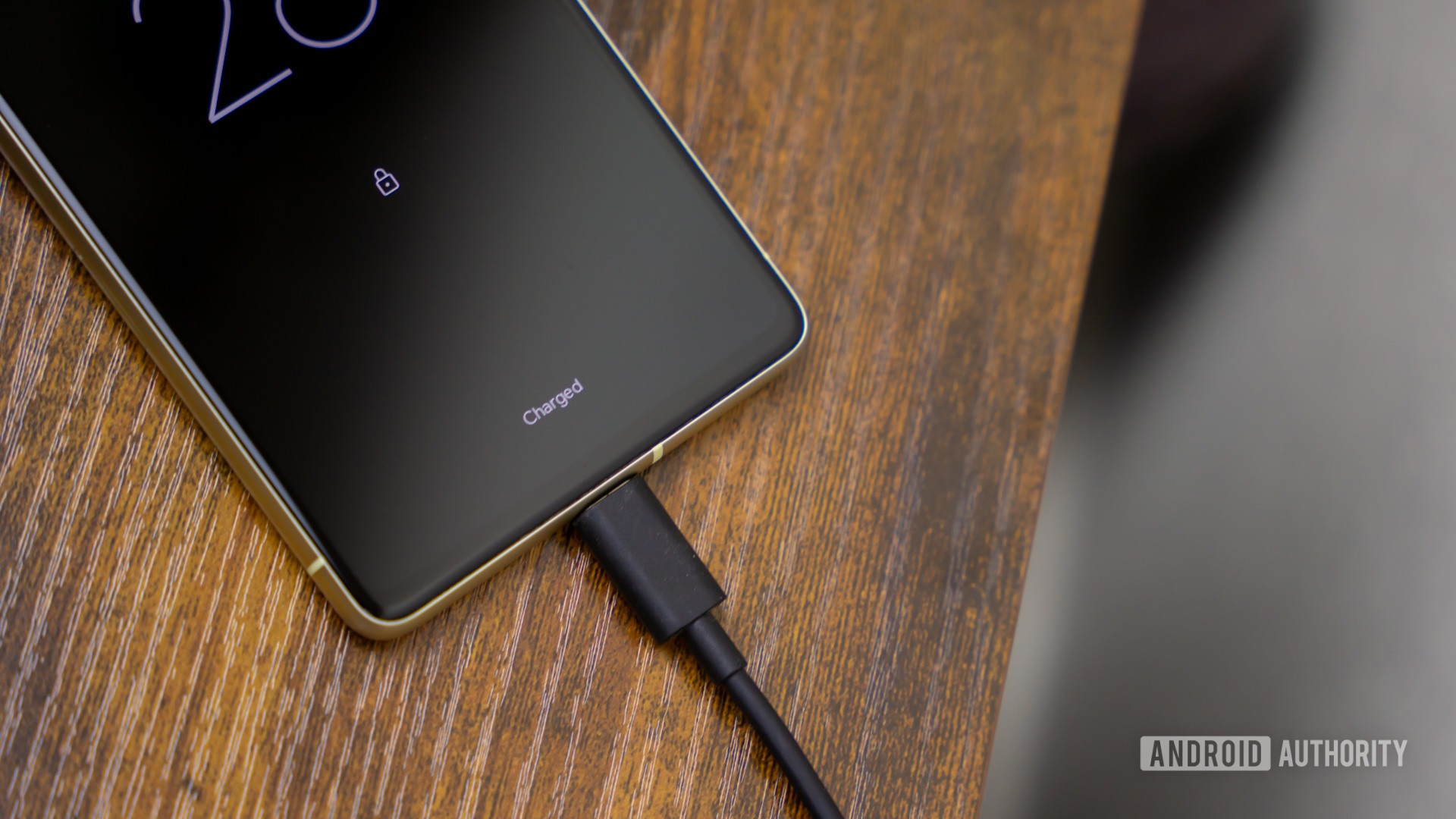
How Wireless Charging Technologies are Reshaping Our Daily Lives
Wireless charging technologies are revolutionizing the way we power our devices, providing a convenient alternative to traditional charging methods. With the rise of wiresless charging, users can now recharge their smartphones, wearables, and other electronic gadgets without fumbling with cables. The seamless nature of this technology not only enhances user experience but also supports a growing trend toward minimalism in our daily lives. Imagine simply placing your device on a charging pad or a piece of furniture integrated with charging capabilities, allowing you to stay connected without the clutter of cables.
Furthermore, the integration of wiresless charging into public spaces is reshaping how we interact with technology. From airports to cafes, charging stations are becoming more prevalent, empowering individuals to power up their devices while on the go. This accessibility encourages a more mobile lifestyle, enabling us to work, socialize, and stay engaged without the anxiety of battery life. As innovations in wiresless charging continue to advance, the implications for our day-to-day routines are profound, promising a future where staying powered up is less of a hassle and more of a seamless part of our daily existence.
Counter-Strike is a highly popular team-based first-person shooter game that has become a staple in the esports community. Players can choose to play as either terrorists or counter-terrorists, working together to complete objectives or eliminate the opposing team. To enhance your gaming experience, consider checking out the Top 10 Mobile Accessories that can help improve your setup and performance.
The Future of Fast Charging: What You Need to Know
The future of fast charging technology is rapidly evolving, driven by the increasing demand for efficient energy solutions in various devices, from smartphones to electric vehicles. Fast charging is not merely about speed; it encompasses advancements in charging protocols, battery chemistry, and infrastructure. For instance, new developments in lithium-silicon batteries are showing promise to enhance energy density and reduce charging times significantly. As we progress, users can expect charging systems capable of delivering up to 400 kW, which can recharge a vehicle's battery to 80% in as little as 15 minutes. The implications for both consumer electronics and electric mobility are profound, fostering greater adoption and usability.
Moreover, with the advent of ultra-fast charging, there are also significant challenges to address, especially in battery safety and thermal management. Manufacturers are investing in smart charging technologies that not only optimize charging times but also ensure the longevity of batteries. As we look to the next decade, wireless charging is also set to play a crucial role in the evolution of fast charging. Imagine a world where your devices charge seamlessly as you move through environments equipped with power-transmitting surfaces. The combination of improved technologies and user-friendly applications will revolutionize how we think about energy consumption and efficiency.
Can Solar-Powered Chargers Truly Replace Traditional Methods?
As the world increasingly shifts towards sustainable energy solutions, many consumers find themselves asking, can solar-powered chargers truly replace traditional methods? Solar chargers harness sunlight to generate electricity, making them an eco-friendly alternative to conventional chargers that rely on fossil fuels. These chargers are portable, convenient, and perfect for outdoor activities such as hiking and camping, where traditional power sources may be unavailable. However, the efficiency of solar chargers can vary greatly depending on factors such as sunlight exposure and the charger's technology. As a result, while they provide a viable option for many situations, they may not completely phase out traditional charging methods, especially in scenarios where time and efficiency are essential.
Despite the limitations, solar-powered chargers are gaining traction, and advancements in technology continue to improve their performance. For instance, modern solar chargers often utilize high-efficiency solar panels that can capture more sunlight and convert it into usable energy faster than older models. Additionally, many solar charger designs now offer features like built-in batteries that store energy for use even when the sun is not shining. This means that during peak charging times, users can store enough power to last through evenings or cloudy days. In conclusion, while solar-powered chargers may not entirely replace traditional methods for everyone, they present a promising alternative that aligns with the growing emphasis on renewable energy and sustainability.