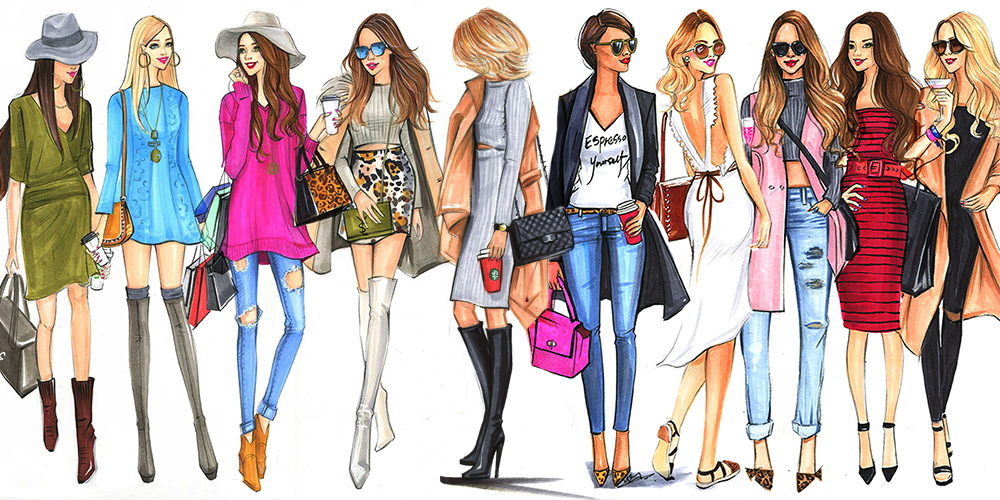
The Language of Style: How to Use Fashion to Express Your Unique Story
Fashion is not just about clothing; it's a language that we use to narrate our personal stories. Every choice we make—be it the vibrant hues we wear or the textures we select—serves as a chapter in our unique tales. By embracing the language of style, you can articulate who you are without uttering a single word. Think of it as an ongoing dialogue with the world around you. Whether you gravitate towards bold, edgy attire or prefer a minimalist approach, each style conveys a narrative that reflects your personality, values, and experiences.
To effectively use fashion as a medium for expression, consider taking a few deliberate steps:
- Identify Your Aesthetic: Explore different styles and trends to find what resonates with your identity.
- Curate Your Wardrobe: Invest in pieces that not only look good but also feel authentic to you.
- Stay Open to Evolution: Allow your fashion choices to evolve as you grow and change; your style story is a living narrative.
Counter-Strike is a highly competitive first-person shooter game that has captivated players since its release. Known for its team-based gameplay, it pits terrorists against counter-terrorists in various objective-based missions. Players strategize and communicate effectively to achieve victory, making it a favorite in both casual and esports scenes. For those interested in remaining stylish while gaming, check out the Top 10 Lightweight Apple Watch Bands that combine functionality with comfort.
Wardrobe Archetypes: What Your Clothing Choices Reveal About You
Understanding wardrobe archetypes can offer profound insights into our personality and style choices. The clothes we wear are often a reflection of our inner selves, encompassing everything from our values to our mood. For instance, a person who gravitates towards vibrant colors and bold patterns may embrace a more outgoing and creative personality, while someone who prefers neutral tones and classic cuts might be perceived as more reserved or traditional. By analyzing these trends, we can uncover deeper aspects of our identity and self-expression.
Moreover, wardrobe archetypes can also influence how we are perceived by others and, in turn, affect our confidence and interactions. For example, someone who adopts a professional wardrobe with tailored suits and polished shoes might project authority and competence in the workplace. In contrast, a casual, laid-back style can signal approachability and creativity. By aligning our clothing choices with our desired self-image, we can effectively communicate our individuality to the world.
Can Fashion Tell a Story? Exploring the Connection Between Clothing and Identity
Fashion has long been a medium through which individuals express their identity, weaving personal narratives into the fabric of their clothing choices. Each garment can convey a story, reflecting cultural heritage, personal experiences, and societal influences. From the vibrant colors of traditional attire to the minimalist aesthetics of modern fashion, clothing is often infused with meaning. This connection between fashion and storytelling invites us to consider how garments serve as a canvas for expressing who we are, thus allowing us to navigate the complex interplay between personal identity and societal expectations.
Moreover, the evolution of fashion trends often mirrors societal changes, further emphasizing the relationship between clothing and identity. For instance, the rise of sustainable fashion reflects a growing consciousness about environmental issues and ethical production. As people embrace these ideals, their clothing choices not only tell a story about their values but also challenge conventional perspectives on consumption. Through this lens, one can see how fashion becomes a tool for empowerment, enabling individuals to assert their identities while fostering community connections and conversations about shared values and experiences.