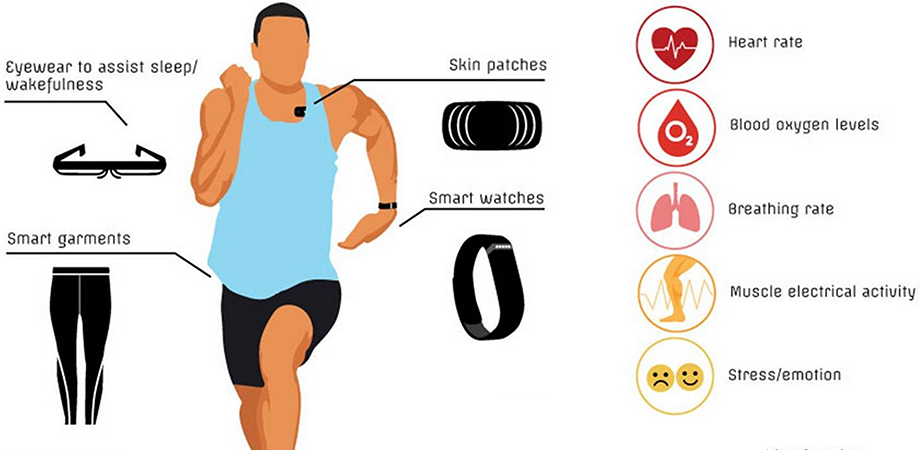
How Do Wearables Interpret Brain Signals? A Deep Dive
Wearable technology has advanced significantly in recent years, allowing for the interpretation of brain signals through sophisticated sensors and algorithms. These devices, often worn as headbands or integrated into smartwatches, utilize technologies such as electroencephalography (EEG) to monitor electrical activity in the brain. By capturing brain signals, wearables can provide insights into a user’s mental state, including stress levels, relaxation, and focus. This data is processed using machine learning algorithms, enabling real-time feedback and personalized insights that guide users in managing their cognitive health.
One of the most exciting aspects of how wearables interpret brain signals is their application in various fields, from mental wellness to cognitive enhancement. For instance, devices can help users recognize patterns in their brain waves, which may indicate when they are most productive or when they need a break. An increasing number of wearables are also being designed to assist individuals with conditions like ADHD or anxiety, offering strategies to mitigate their symptoms. As the technology continues to evolve, the potential for wearables to transform our understanding of brain health and enhance our daily lives is immense.
Counter-Strike is a highly acclaimed first-person shooter game that has been a staple in the gaming community since its initial release in 1999. Players engage in tactical team-based gameplay, choosing to fight as either Terrorists or Counter-Terrorists, each with unique objectives. To enhance your gaming experience, you might also be interested in Top 10 Apple Watch Bands for Sleep that can help track your performance during intense gaming sessions.
The Science Behind Mind-Reading Wearables: Myths vs. Reality
The concept of mind-reading wearables often evokes images of futuristic devices that can seamlessly interpret our thoughts. However, the reality is much more nuanced. While advancements in neuroscience and wearable technology have made it possible to monitor brain activity through electroencephalography (EEG), the idea that these devices can accurately 'read' thoughts remains a myth. Current wearables can detect brainwave patterns associated with specific mental states, such as focus or relaxation, but they cannot decode complex thoughts or intentions. This distinction is crucial for understanding the limitations and potential of mind-reading technology.
Moreover, the sensationalism around mind-reading wearables often leads to misconceptions about their efficacy and ethical implications. Many consumers wrongly believe that these devices can provide insights into personal emotions or unexpressed desires. In reality, while wearables can collect valuable data that researchers might use to improve mental health treatments or enhance user experience, they do not offer a direct line into the mind. Instead, they provide a glimpse into our cognitive states, highlighting the important difference between monitoring brain activity and actual mind-reading.
Are Brain-Reading Gadgets the Future of Personal Tech?
As technology continues to evolve at a rapid pace, brain-reading gadgets are emerging as a potential cornerstone of the personal tech landscape. These innovative devices utilize advanced neuroimaging techniques to interpret brain activity and translate it into actionable data. This possibility opens up new frontiers in various sectors, including health, communication, and entertainment. Imagine a world where thoughts can control devices directly, creating seamless human-computer interactions that could revolutionize our daily lives.
However, the rise of brain-reading gadgets also raises significant ethical and privacy concerns. The idea of technology being able to decode our thoughts challenges the very essence of personal privacy. As we look towards the future, it will be crucial to establish frameworks that protect individual rights while allowing for the benefits of such advancements. The question remains: will these gadgets be a transformative force for good, or will they intrude on our autonomy? Only time will tell as we navigate this uncharted territory of personal technology.