How Wearables Are Revolutionizing Personal Assistance: A Deep Dive
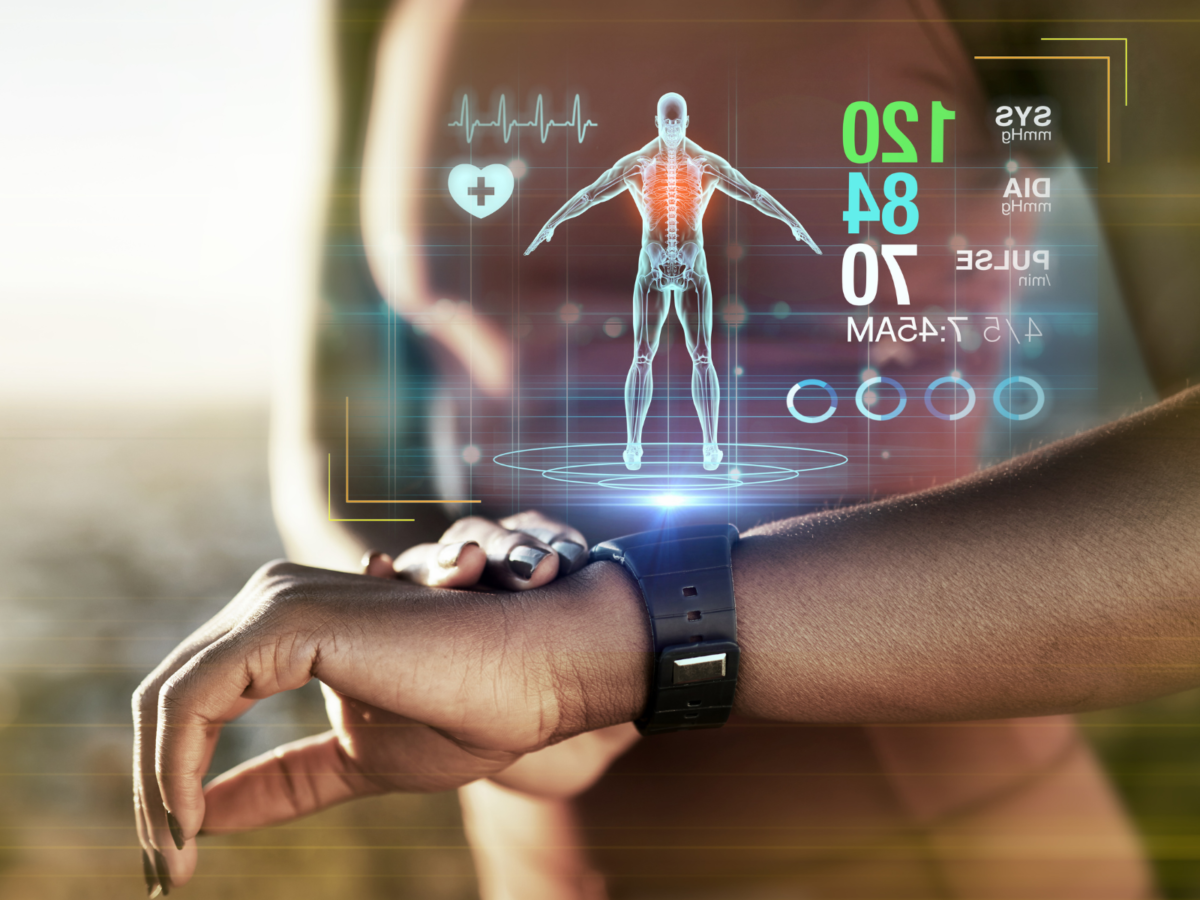
The rise of wearables, including smartwatches and fitness trackers, has significantly transformed the landscape of personal assistance. These devices are not just about tracking physical activity; they revolutionize personal assistance by integrating seamlessly into our daily lives. With features like voice commands, health monitoring, and real-time notifications, users can maintain productivity while managing their well-being. For instance, smartwatches provide quick access to reminders, messages, and calendar updates, allowing individuals to stay organized without the need to constantly check their smartphones.
Moreover, the data collected by wearables offers personalized insights that enhance the user experience. By analyzing patterns in activity, sleep, and even stress levels, these devices can recommend tailored strategies for health improvement, thereby acting as a personal assistant on a whole new level. As the technology continues to advance, we can expect even greater integration with AI, leading to more predictive and proactive assistance in both personal and professional settings. The future of communication and health is here, and wearables are at the forefront of this evolution.
Counter-Strike is a highly popular team-based first-person shooter that has become a staple in the gaming community. With its tactical gameplay and fast-paced action, players engage in intense matches where strategy and teamwork are essential for victory. Fans often seek out products to enhance their gaming experience, including tech accessories. For those looking to elevate their work setup, check out the Top 10 Apple Watch Accessories for the Office which can help you stay organized and efficient while playing or working.
Top Features of Wearables That Make Them Your Ideal Assistant
Wearable technology has transformed the way we manage our daily tasks, making it easier to stay organized and connected. One of the most notable features is real-time notifications, which allows users to receive alerts for calls, messages, and app updates directly on their wrists. This feature ensures that you never miss an important communication, even when your phone is out of reach. Additionally, many wearables come equipped with GPS tracking, which can assist in navigation and fitness activities, providing users with location-based information to enhance their experience.
Another standout feature of wearables is their health monitoring capabilities. With built-in sensors, these devices can track vital signs such as heart rate, sleep patterns, and even stress levels, offering valuable insights into your overall well-being. This data not only helps users maintain a healthier lifestyle but also assists in setting fitness goals that are both achievable and personalized. Lastly, the extent of customization available in many wearables allows users to tailor settings and notifications according to their preferences, making these devices a truly ideal assistant in managing everyday life.
Can Wearables Replace Traditional Personal Assistants?
In recent years, the rapid advancement of wearable technology has sparked the debate: Can wearables replace traditional personal assistants? Devices like smartwatches, fitness trackers, and smart glasses offer a range of functionalities that can streamline daily tasks and enhance productivity. For instance, wearables can provide notifications, set reminders, and even track health metrics—capabilities that traditionally would require the assistance of a human personal assistant. As the Internet of Things (IoT) evolves, it becomes increasingly possible for these devices to integrate with other smart appliances, thereby creating a cohesive ecosystem that minimizes the need for a traditional assistant.
However, while wearables bring convenience, they may not fully replace the human touch that a traditional personal assistant provides. Consider the following aspects:
- Emotional Intelligence: Human assistants can gauge emotions and respond appropriately, something wearables cannot replicate.
- Complex Problem-Solving: A personal assistant can handle unpredictable scenarios, while wearables operate on predefined algorithms.
- Personal Relationships: Building rapport and trust often requires face-to-face interactions, an area where wearables fall short.